Why Many Detailers Are Switching from Ceramic to Graphene Coating
For years, ceramic coating has been the gold standard in car paint protection. It promised long-lasting shine, water repellency, and resistance against environmental damage. Car owners trusted it, and professional detailing studios built their premium services around it.
But recently, a noticeable shift is happening in the detailing industry. Many professional detailers are now recommending graphene coating instead of traditional ceramic coating. This change is not driven by hype alone — it is based on performance, durability, heat management, and real-world maintenance results.
So why are experienced detailers switching from ceramic coating to graphene coating? Is graphene truly better, or is it just the latest trend? This article breaks down the real reasons behind this shift and explains the differences clearly, so car owners can make informed decisions.
Understanding Ceramic Coating: The Industry Standard
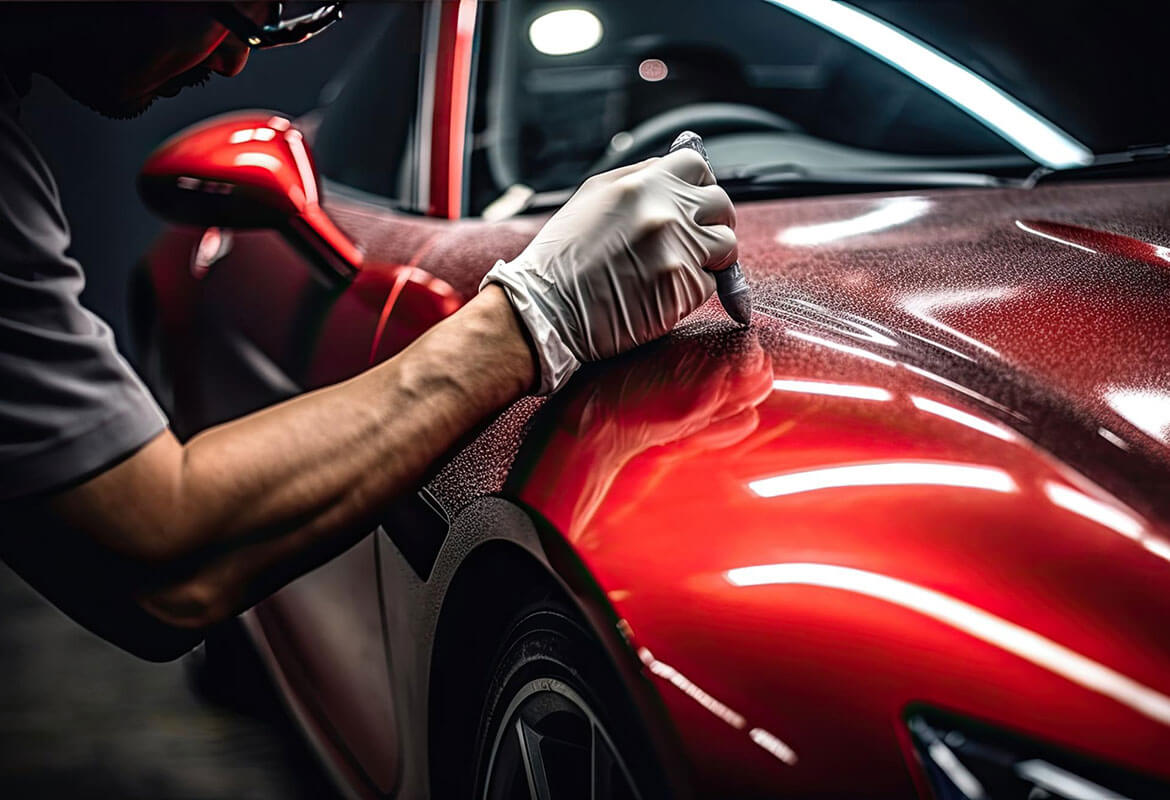
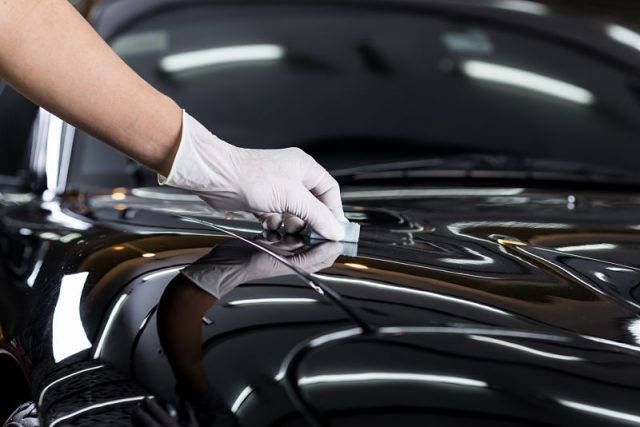
Ceramic coating is a liquid polymer applied to the car’s clear coat, where it chemically bonds to create a protective layer. It provides gloss enhancement, hydrophobic behavior, and protection against UV rays, dirt, and light chemical stains.
For many years, ceramic coating became popular because it offered:
- Long-lasting shine compared to wax
- Strong water-beading properties
- Resistance against oxidation and fading
- Easier cleaning and maintenance
However, despite its benefits, ceramic coating is not perfect. Over time, professional detailers began noticing certain limitations, especially in hot climates and daily-driven vehicles.
The Limitations of Ceramic Coating in Real-World Use
Ceramic coating performs well in controlled conditions, but real-world environments are far from ideal. Cars are exposed to intense sunlight, high surface temperatures, hard water, pollution, and improper washing habits.
Some common challenges detailers observed with ceramic coating include:
- Heat retention, which can lead to water spotting
- Reduced performance in extremely hot weather
- Mineral deposits bonding strongly to the coating
- Gloss reduction over time if maintenance is poor
These issues pushed detailers to look for improved solutions — and this is where graphene coating entered the conversation.
What Is Graphene Coating and Why Is It Different?
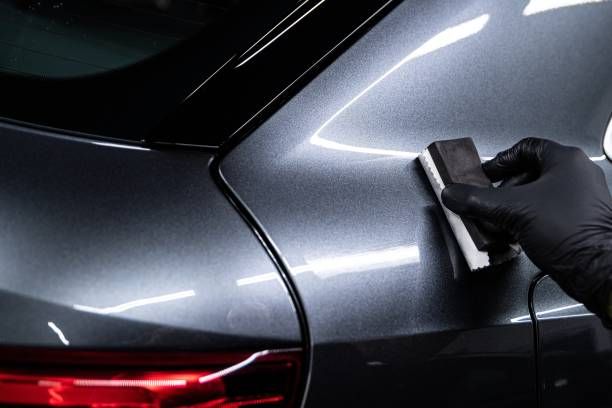
Graphene coating is an advanced paint protection technology that incorporates graphene — one of the strongest and most conductive materials ever discovered. When used in car coatings, graphene enhances the protective layer’s strength, heat resistance, and chemical stability.
Unlike traditional ceramic coatings, graphene coatings are engineered to address many of the weaknesses detailers experienced with ceramic products.
Graphene coating does not replace ceramic technology entirely; instead, it builds upon it and improves its performance.
Reason 1: Better Heat Management
One of the biggest reasons detailers are switching from ceramic to graphene coating is heat resistance.
Ceramic coatings tend to trap heat on the paint surface. In hot climates, this trapped heat increases the chances of:
- Water spots
- Mineral etching
- Faster coating degradation
Graphene has excellent thermal conductivity, which helps dissipate heat more efficiently across the surface. This reduces surface temperature stress and makes graphene coating more stable in high-heat conditions.
For detailers working in regions with intense sunlight, this single advantage makes a big difference.
Reason 2: Reduced Water Spotting Issues
Water spotting is one of the most common complaints from ceramic-coated car owners. Hard water minerals dry quickly on hot surfaces and leave behind stubborn stains.
Graphene coatings are designed to reduce this problem by:
- Improving heat dispersion
- Minimizing mineral bonding
- Enhancing water sheeting rather than aggressive beading
Detailers prefer graphene coating because it lowers after-care complaints and improves customer satisfaction.
Reason 3: Improved Durability and Stability
While ceramic coatings are durable, their performance can drop if maintenance is inconsistent. Graphene coatings offer better chemical stability, which helps them maintain hydrophobic and gloss properties for a longer time.
Professional detailers report that graphene coating:
- Maintains slickness longer
- Degrades more evenly
- Handles environmental stress better
This makes graphene coating a more reliable long-term solution, especially for daily-driven cars.
Reason 4: Easier Maintenance for Car Owners
One major concern detailers face is improper washing by car owners. Harsh shampoos, dirty cloths, and incorrect drying methods can reduce coating life.
Graphene coating is more forgiving when it comes to maintenance. Its slick surface resists dirt adhesion better, making washing easier and safer.
For detailers, this means fewer coating failures caused by user error.
Reason 5: Enhanced Gloss Without Over-Shine
Ceramic coatings are known for producing a sharp, glass-like shine. While many people love this look, some paints — especially darker colors — can appear overly reflective.
Graphene coating delivers a deep, rich gloss that looks more natural and premium. Many detailers feel that graphene enhances paint depth rather than just surface shine.
Graphene Coating vs Ceramic Coating: Key Differences
Here’s how both coatings compare from a professional detailing perspective:
Heat Resistance
Graphene coating performs better in hot conditions due to superior heat dissipation.
Water Spot Resistance
Graphene coating reduces water spotting risks compared to ceramic coating.
Durability
Both are durable, but graphene shows improved stability in harsh environments.
Maintenance
Graphene coating is easier to maintain for average car owners.
Gloss Finish
Ceramic offers sharp gloss, while graphene provides deeper, smoother shine.
Why Detailers Trust Graphene Coating More Today
Professional detailers are judged by long-term results, not just immediate shine. Graphene coating delivers more consistent performance, fewer customer complaints, and better real-world reliability.
This is why many high-end detailing studios now offer graphene coating as a premium or next-generation service.
Is Ceramic Coating Still Relevant?
Yes, ceramic coating is still a strong and effective paint protection option. Not every car or customer requires graphene coating.
Ceramic coating remains suitable for:
- Controlled driving conditions
- Garage-kept vehicles
- Budget-conscious protection needs
However, for customers demanding maximum performance, graphene coating is becoming the preferred choice.
Which One Should You Choose?
The best coating depends on:
- Climate conditions
- Driving habits
- Maintenance routine
- Budget and expectations
A professional detailing studio can assess your car and recommend the most suitable protection.
Final Verdict: The Shift Is Based on Performance, Not Trend
Detailers are not switching from ceramic to graphene coating because it sounds new — they are switching because it solves real problems. Better heat control, reduced water spotting, improved durability, and easier maintenance make graphene coating a practical upgrade.
For car owners seeking long-term paint protection with fewer headaches, graphene coating is quickly becoming the smarter choice.
FAQ’s :
1.Is graphene coating better than ceramic coating for cars?
Graphene coating is considered better than ceramic coating in many real-world conditions because it offers improved heat resistance, reduced water spotting, and more stable long-term performance. While ceramic coating still provides excellent shine and protection, many professional detailers prefer graphene coating for daily-driven cars exposed to harsh weather and sunlight.
2.Why are professional detailers switching from ceramic to graphene coating?
Many detailers are switching to graphene coating because it handles heat better, minimizes water spot issues, and requires less strict maintenance compared to ceramic coating. These advantages lead to fewer customer complaints and more consistent long-term results, especially in hot and dusty environments.
3.How long does graphene coating last compared to ceramic coating?
A professionally applied graphene coating can last between 2 to 5 years, depending on maintenance and usage, which is similar or slightly better than many ceramic coatings. Graphene coating often maintains its hydrophobic effect and gloss more evenly over time, making it a preferred choice for long-term paint protection.