Graphene Coating for Cars — The New Paint Protection Technology Everyone Is Talking About
Car paint protection technology is evolving fast, and what was once considered premium — like wax and even ceramic coating — is now being challenged by a newer, more advanced solution known as graphene coating for cars. Many car owners are now hearing about graphene car coating and wondering whether it is just another marketing trend or a genuine upgrade in vehicle paint protection.
The truth is that graphene coating represents a new generation of nano-protection technology designed to deliver stronger durability, better heat resistance, improved water behavior, and enhanced gloss compared to many traditional paint protection methods. But to understand why graphene coating is gaining attention, you need to understand how it works and what makes it different.
This complete guide explains graphene coating for car paint, how it protects your vehicle, its real benefits, limitations, and whether it is worth choosing over other coating options.
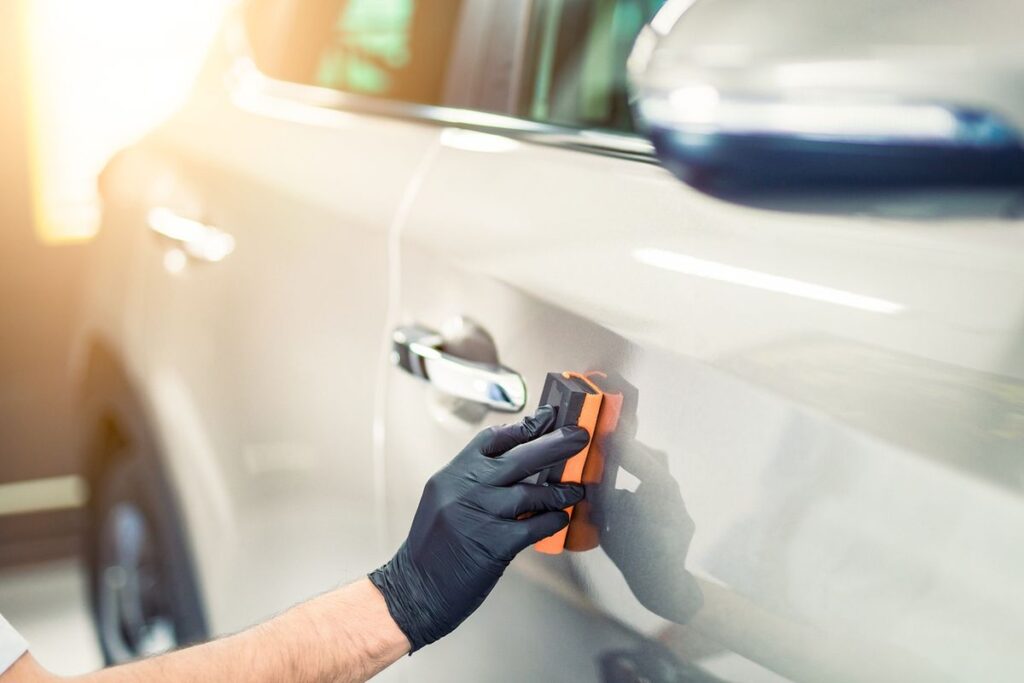
What Is Graphene Coating for Cars?
Graphene coating is an advanced paint protection layer that uses graphene-based nano materials combined with coating chemistry to create a highly durable protective shield over the car’s paint surface. Graphene itself is known in material science as one of the strongest and thinnest materials ever discovered, with exceptional heat conductivity and structural strength.
When used in car coating formulations, graphene helps improve the coating’s resistance to heat, water spotting, chemical stains, and environmental contamination. The result is a slick, glossy, and more stable protective layer compared to many conventional coatings.
Graphene coating for cars is applied in liquid form and bonds with the paint surface, creating a semi-permanent protective barrier.
How Graphene Car Coating Works
Graphene coating works by forming a nano-scale protective film that chemically bonds with the clear coat layer of your car’s paint. Once cured, this layer becomes highly resistant to external elements such as dust, UV rays, bird droppings, road salts, and chemical contaminants.
One major advantage of graphene coating is its improved heat dissipation ability. Car surfaces often heat up under sunlight, which can weaken traditional coatings over time. Graphene’s thermal properties help reduce surface heat buildup, which supports longer coating stability and performance.
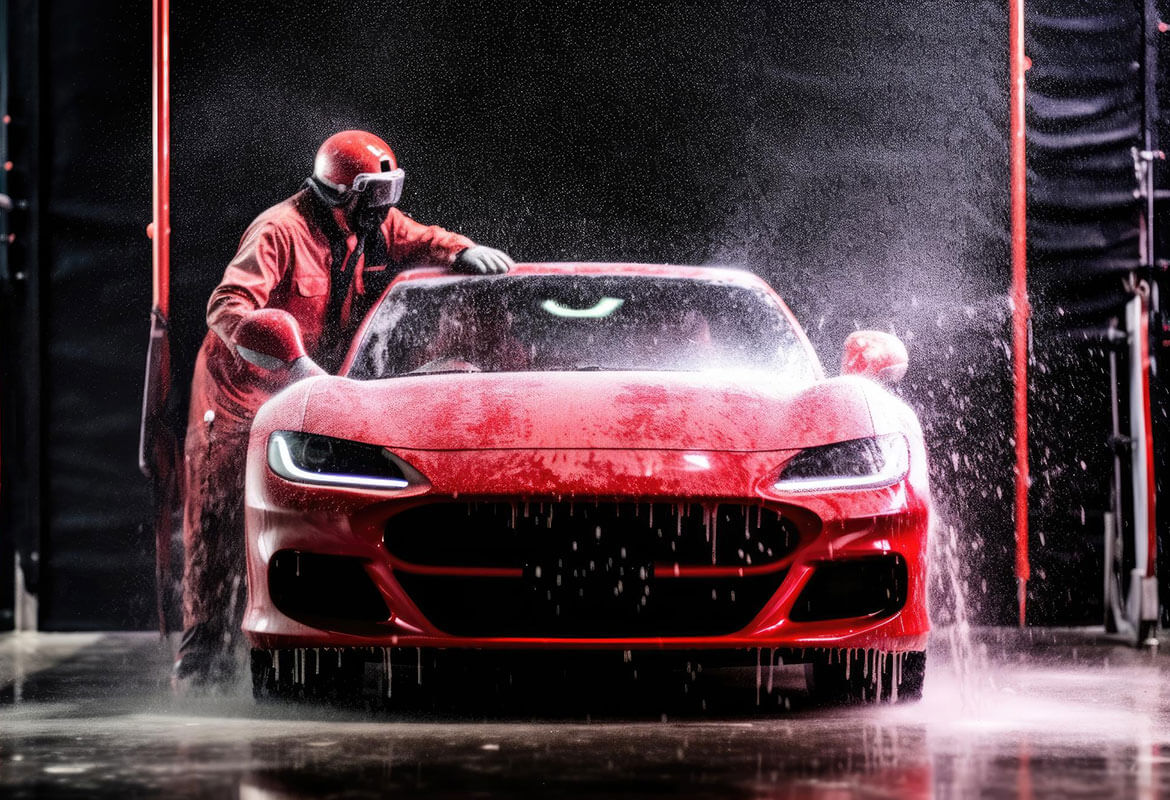
The coating also creates a hydrophobic surface, meaning water beads up and rolls off easily, carrying dirt and contaminants away.
Key Benefits of Graphene Coating for Car Paint
Graphene coating is becoming popular because it offers multiple performance benefits in real-world conditions.
Higher Durability
Graphene coatings are designed to last longer than basic sealants and wax. With proper maintenance, they can provide extended paint protection for years.
Better Heat Resistance
Graphene technology helps reduce surface heat retention, which improves coating life and reduces the chances of water spotting caused by heat evaporation.
Strong Hydrophobic Effect
Water, mud, and grime slide off more easily, making the car easier to clean and maintain.
Improved Chemical Resistance
Graphene coating offers better protection against acidic contaminants such as bird droppings and tree sap.
Deep Gloss and Smooth Finish
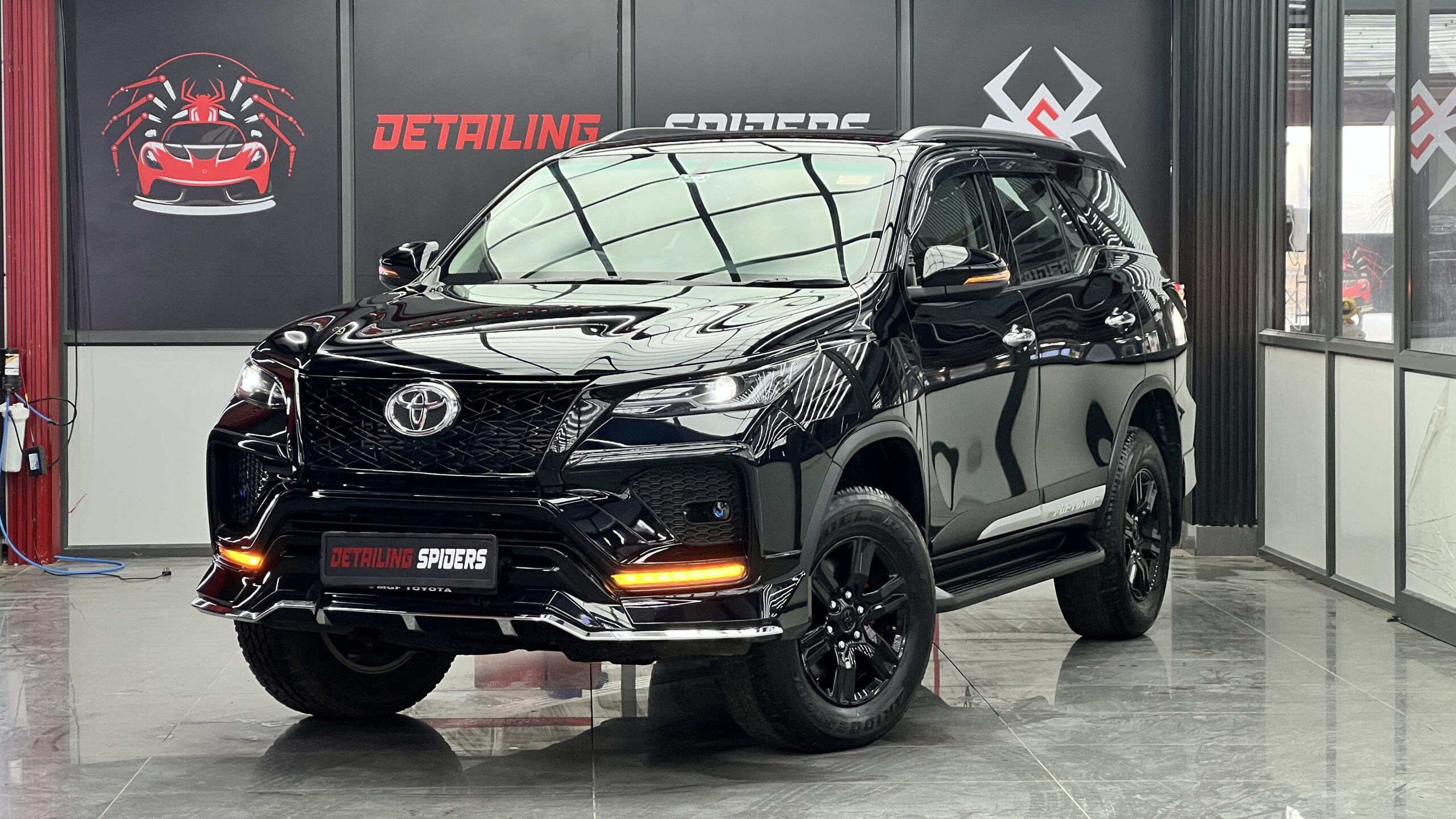
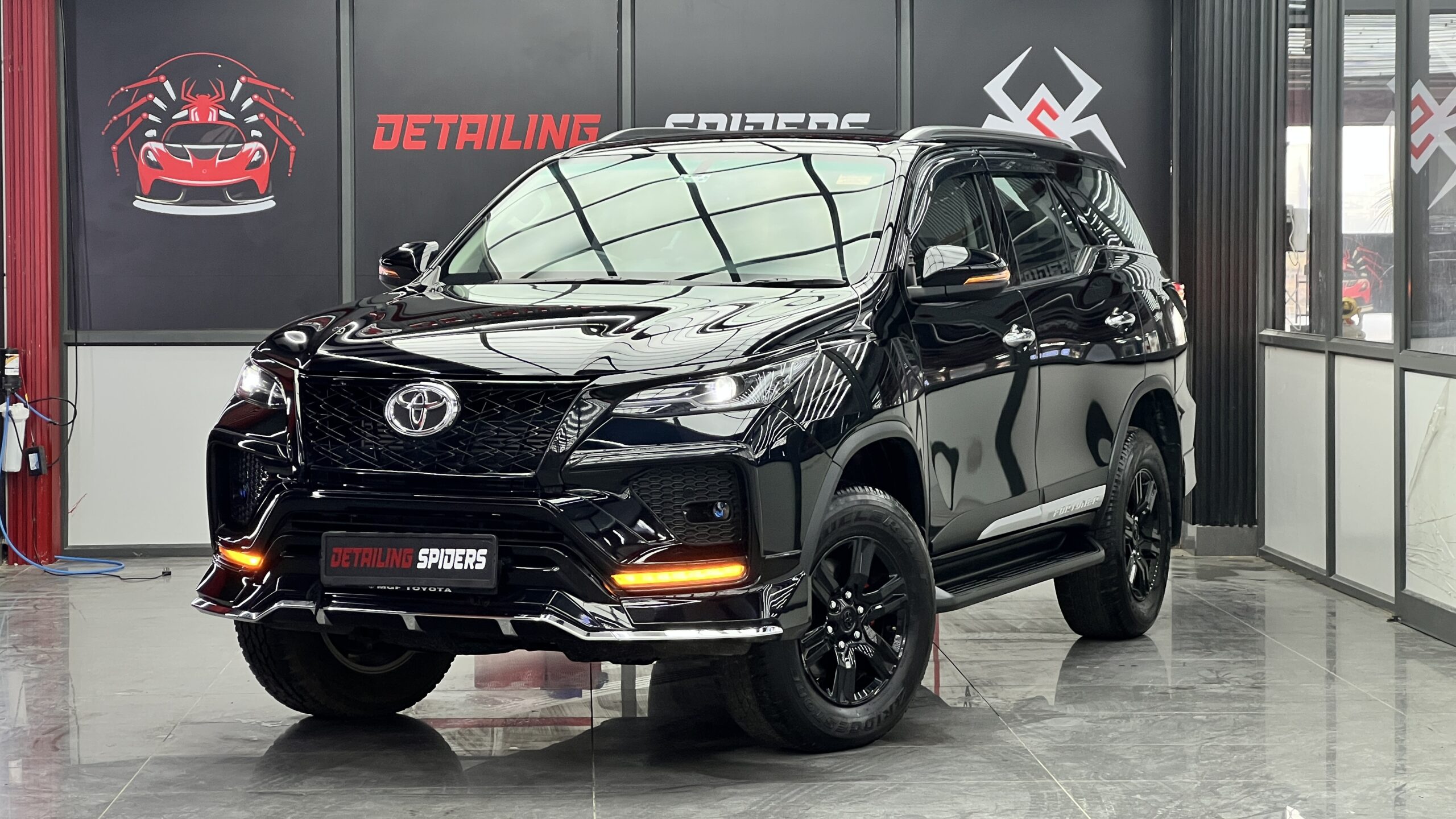
It enhances paint clarity and adds a rich reflective gloss, especially on dark-colored vehicles.
Graphene Coating and Heat Management
One of the biggest talking points of graphene coating for cars is heat control. Vehicle paint surfaces exposed to strong sunlight can reach very high temperatures. Excess heat can stress coating layers and lead to faster degradation.
Graphene’s conductive structure helps distribute heat more efficiently across the coated surface. This reduces localized heat stress and improves coating stability. In practical terms, it supports longer protection performance in hot climates and heavy sunlight exposure.
Graphene Coating vs Wax and Sealants
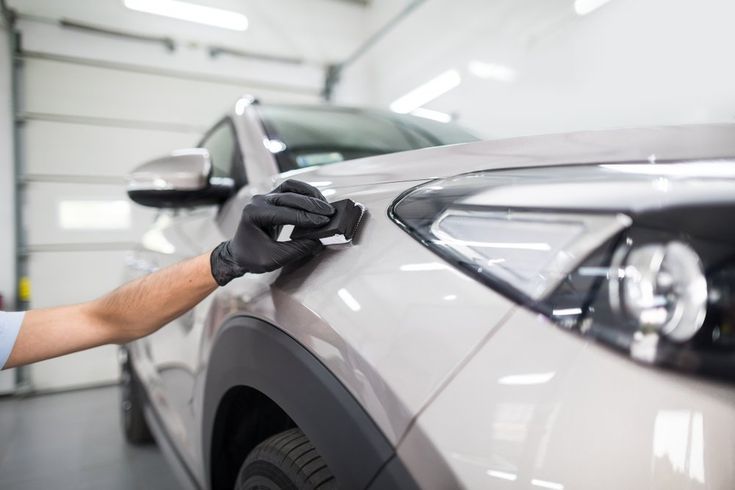
Traditional car wax provides short-term shine and water repellency but wears off quickly. Paint sealants last longer but still require frequent reapplication.
Graphene coating goes far beyond these options by forming a bonded protective layer rather than a temporary surface film. It delivers longer durability, stronger resistance, and more consistent hydrophobic behavior.
For car owners looking for long-term paint protection instead of repeated short-term shine treatments, graphene coating is a major upgrade.
Is Graphene Coating Better Than Ceramic Coating?
Graphene coating and ceramic coating are both advanced paint protection solutions. Ceramic coatings are already well-known for gloss, hardness, and hydrophobic properties. Graphene coatings build on similar technology but aim to improve heat resistance and reduce water spotting risks.
Both options are premium, and the better choice depends on product quality, installer skill, and maintenance. Many detailing studios now offer both ceramic and graphene coating services based on customer needs.
Application Process of Graphene Coating
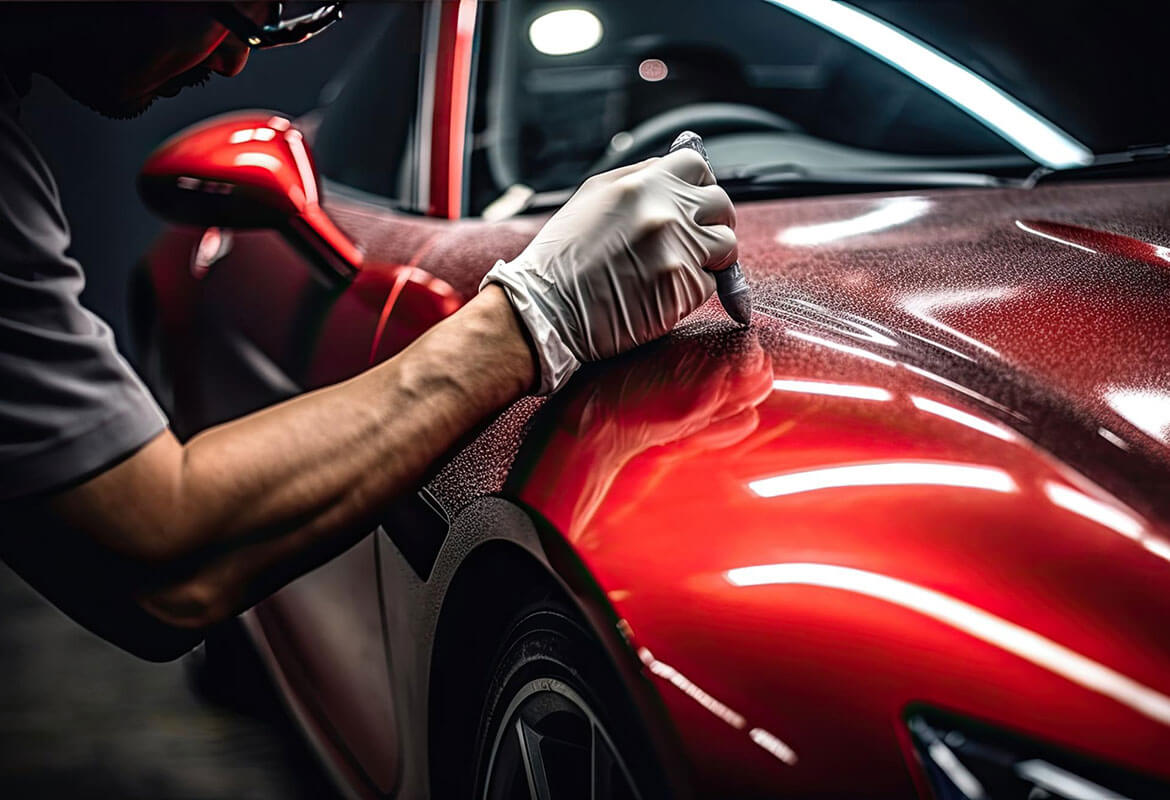
Proper surface preparation is critical before applying graphene coating. The paint must be thoroughly cleaned, decontaminated, and often machine polished to remove defects.
The coating is then applied panel by panel and allowed to cure. Professional application is strongly recommended because incorrect leveling or curing can affect performance and finish quality.
Who Should Choose Graphene Coating
Graphene coating is ideal for:
- New car owners wanting long-term paint protection
- Dark color car owners who want deeper gloss
- Cars exposed to strong sunlight and heat
- Owners who prefer low-maintenance protection
- Premium vehicle detailing clients
Maintenance After Graphene Coating
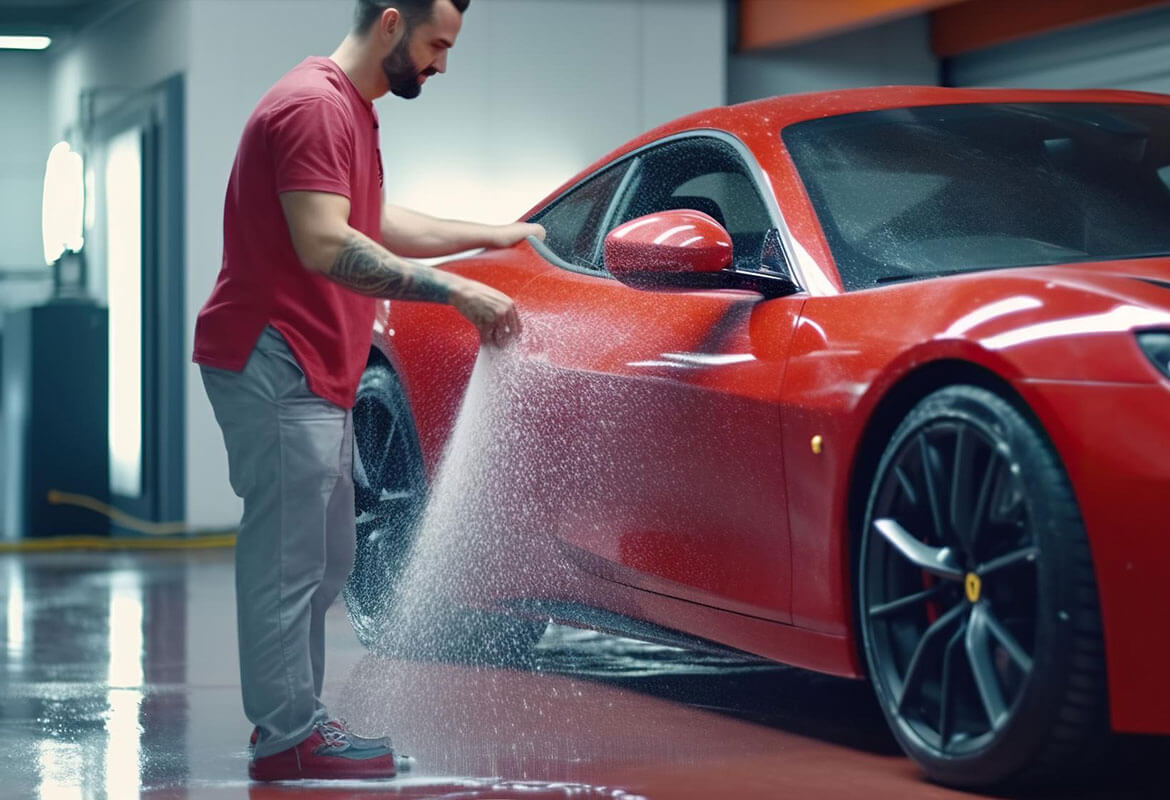
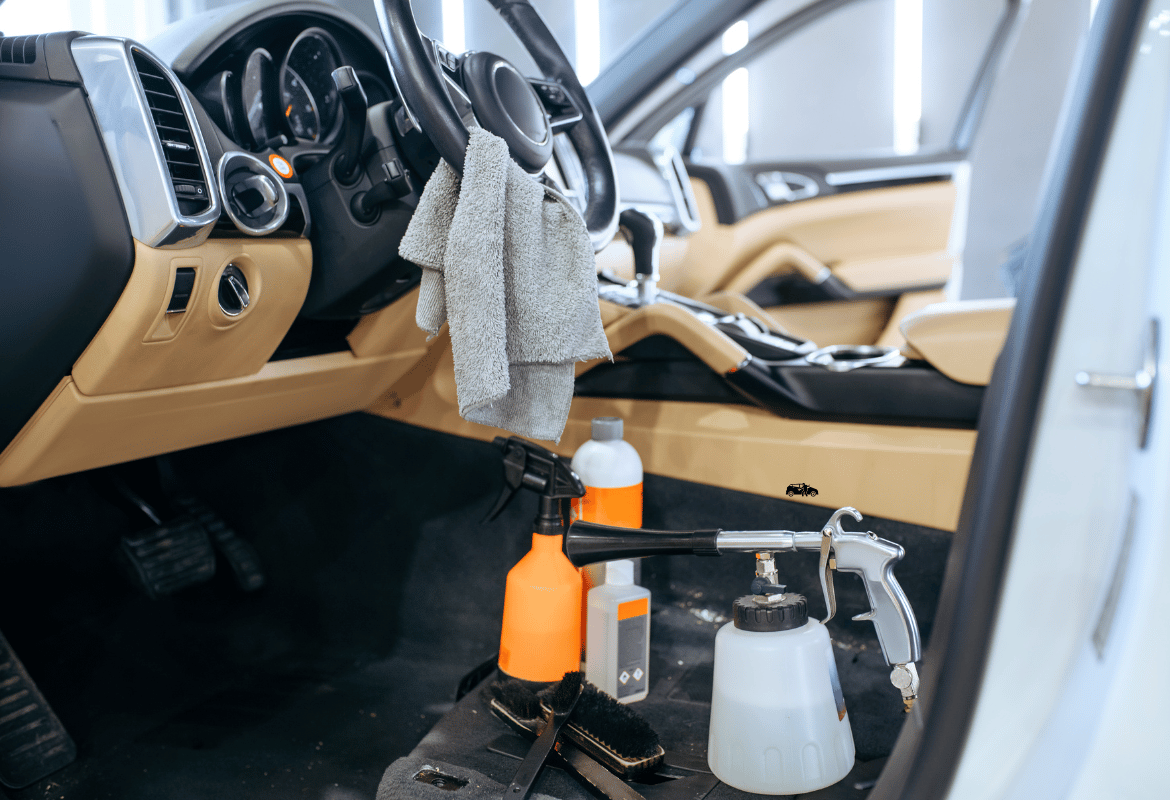
Even with graphene coating, proper washing methods are essential. Paint-safe car wash techniques, pH-neutral shampoos, and microfiber tools should always be used.
Avoid harsh detergents and rough washing, as poor maintenance can reduce coating life.
Final Verdict — Is Graphene Coating Worth It?
Graphene coating for cars is not just a marketing buzzword — it represents a real advancement in paint protection technology when applied correctly using quality products. It offers durability, gloss, heat resistance, and strong hydrophobic behavior that many car owners value.
For those looking beyond basic wax or sealant and wanting next-generation paint protection, graphene car coating is a strong and future-ready option.
FAQ’S :
1.What is graphene coating for cars and how is it different from ceramic coating?
Graphene coating for cars is an advanced nano paint protection layer that uses graphene-based materials to create a durable and heat-resistant shield over car paint. Compared to ceramic coating, graphene coating offers better heat dissipation, reduced water spotting risk, and improved long-term stability when properly applied by a professional car detailing studio.
2.How long does graphene coating last on car paint?
A professional graphene coating can last anywhere between 2 to 5 years depending on product quality, surface preparation, and maintenance routine. Regular paint-safe car washing and periodic maintenance detailing help extend the life and performance of graphene car coating.
3.Is graphene coating worth it for new cars?
Yes, graphene coating is especially beneficial for new cars because it protects factory paint from UV damage, dirt, chemical stains, and environmental contamination. Applying graphene coating early helps preserve gloss, reduce maintenance effort, and maintain higher resale value.