PPF vs Ceramic Coating — The Truth Most Car Owners Don’t Know
Every car owner wants their vehicle to look new for years, but when it comes to paint protection, confusion starts immediately. Some people recommend ceramic coating, others insist that paint protection film (PPF) is the only real solution. Both sound premium, both are marketed aggressively, and both promise protection — but they do very different jobs.
The truth is, most car owners choose between PPF vs ceramic coating without fully understanding how they work, what they protect against, and which one actually suits their driving habits. This article breaks down the real differences in a clear, honest, and practical way, so you can make the right decision for your car.
Why Paint Protection Matters More Than Ever
Modern car paint may look glossy, but it is thinner and more sensitive than older generations. Daily driving exposes your car to stone chips, road debris, bird droppings, UV rays, chemical stains, hard water spots, and pollution. Over time, these factors slowly damage the paint, reducing shine and resale value.
Paint protection is no longer a luxury; it is a preventive investment. Choosing the right protection can save you from expensive repainting and paint correction in the future.
What Is Paint Protection Film (PPF)?
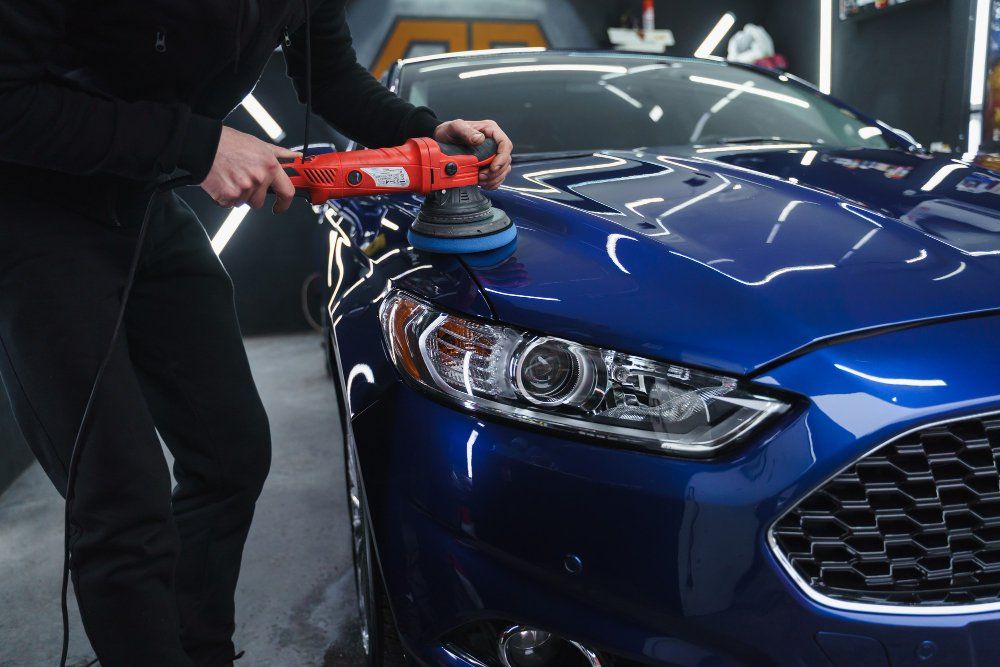
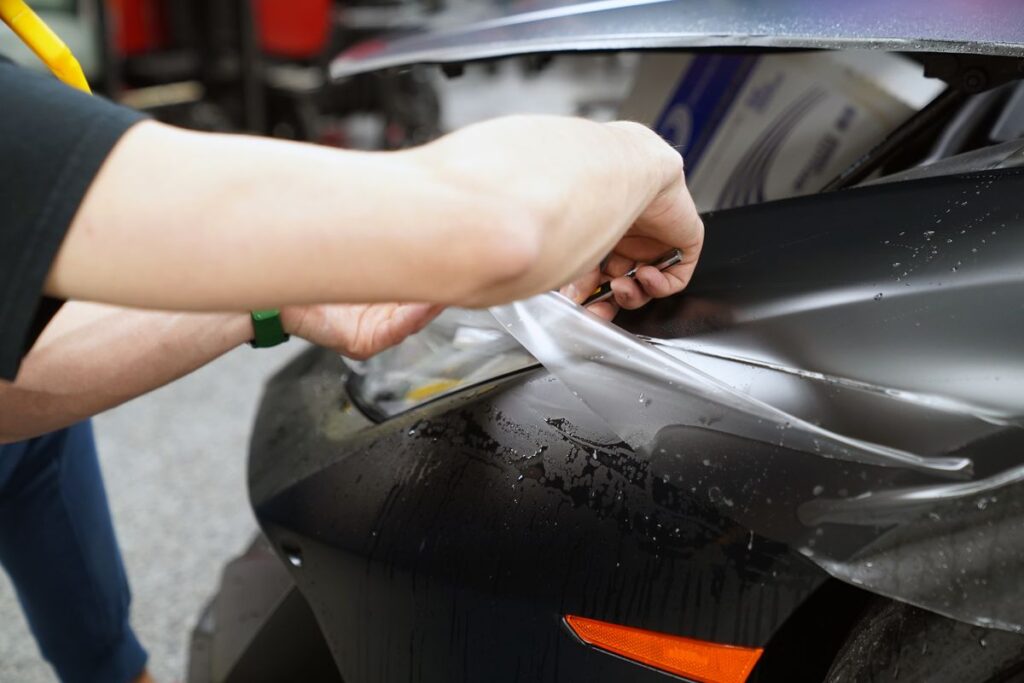
Paint Protection Film, commonly known as PPF, is a transparent, thermoplastic polyurethane film applied over the car’s painted surfaces. It acts as a physical barrier between your paint and external damage.
PPF is designed to absorb impact from stone chips, minor scratches, road debris, and abrasions. High-quality PPF also features self-healing technology, which allows light scratches to disappear when exposed to heat.
PPF is usually applied on high-impact areas such as the bonnet, bumper, fenders, mirrors, door edges, or sometimes the entire car for maximum protection.
What Is Ceramic Coating?
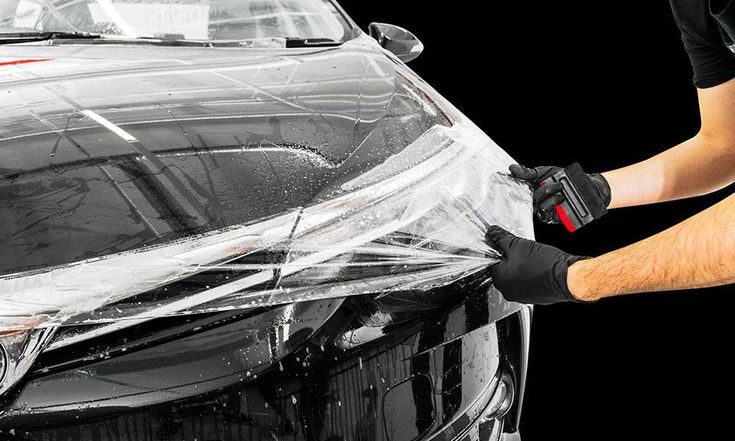
Ceramic coating is a liquid polymer applied to the car’s paint that chemically bonds with the surface, creating a hydrophobic and glossy protective layer. Unlike PPF, ceramic coating does not provide impact resistance, but it offers excellent protection against environmental damage.
Ceramic coating protects the paint from UV rays, oxidation, chemical stains, bird droppings, and water spots while enhancing gloss and smoothness. It also makes washing easier because dirt and water do not stick easily to the surface.
Ceramic coating is popular among car owners who want a long-lasting shine with minimal maintenance.
PPF vs Ceramic Coating: Core Difference Explained Simply
The biggest misunderstanding among car owners is assuming that PPF and ceramic coating do the same job. They don’t.
PPF protects against physical damage.
Ceramic coating protects against chemical and environmental damage.
One is like a shield, the other is like a seal.
Protection Level: Which One Is Stronger?
When it comes to protection, PPF clearly offers superior physical defense. It can prevent stone chips, scratches from keys, minor parking dents, and swirl marks caused by improper washing.
Ceramic coating, on the other hand, cannot stop scratches or impacts. It protects the paint from fading, oxidation, and chemical damage, but it will not prevent stone chips.
If your car is frequently driven on highways or rough roads, PPF provides a level of protection ceramic coating simply cannot.
Gloss & Appearance: Which Looks Better?
Ceramic coating is known for delivering a deep, mirror-like gloss that enhances the paint’s color and clarity. It gives the car a freshly polished look that lasts for years with proper maintenance.
PPF also offers gloss, especially premium gloss PPF, but its primary role is protection rather than shine. Matte PPF is also available for those who want a unique satin or stealth finish.
For visual enhancement alone, ceramic coating wins.
Durability & Lifespan Comparison
High-quality PPF typically lasts 5 to 7 years, depending on brand, installation quality, and maintenance. It maintains protection even under harsh driving conditions.
Ceramic coating usually lasts 2 to 5 years, depending on the coating type and how well the car is maintained.
While PPF lasts longer, ceramic coating is easier to refresh or reapply when needed.
Maintenance: Which Is Easier to Maintain?
Ceramic coating significantly reduces maintenance effort. The hydrophobic surface repels dirt and water, making washing quicker and safer.
PPF also benefits from easier cleaning, but it still requires proper washing techniques to avoid edge lifting or damage.
Both options need professional car washing, but ceramic coating feels more effortless for daily users.
Cost Comparison: PPF vs Ceramic Coating
PPF is more expensive because of material cost, installation time, and skill required. Full-car PPF is a premium investment.
Ceramic coating is comparatively more affordable and offers excellent value for owners who want protection with shine.
If budget is a concern, ceramic coating is a more accessible option.
Which Is Better for Indian Driving Conditions?
Indian roads present unique challenges — dust, stone chips, heavy traffic, harsh sunlight, and unpredictable weather.
- For daily city driving with occasional highway use, ceramic coating offers excellent protection and ease of maintenance.
- For frequent highway driving, long-distance travel, or luxury cars, PPF provides unmatched protection.
Many car owners now choose a combination approach, applying PPF on high-impact areas and ceramic coating on the rest of the car.
PPF vs Ceramic Coating: Which One Should You Choose?
Choose PPF if:
- You want maximum paint protection
- You drive frequently on highways
- You want to prevent stone chips and scratches
- You own a premium or new car
Choose Ceramic Coating if:
- You want long-lasting shine
- You want easier maintenance
- You want protection from UV and chemicals
- You prefer a cost-effective solution
The Smart Choice Most Owners Don’t Know About
The real truth most car owners don’t know is that PPF and ceramic coating are not competitors — they complement each other.
Applying ceramic coating over PPF enhances gloss, adds hydrophobic properties, and makes maintenance even easier. This combination delivers both physical protection and visual perfection.
Final Verdict: PPF vs Ceramic Coating
There is no single “best” option for everyone. The right choice depends on how you drive, where you drive, and what you expect from paint protection.
PPF is about maximum safety.
Ceramic coating is about long-lasting beauty and convenience.
Understanding this difference helps you invest wisely instead of following trends or sales pitches.
When chosen correctly and maintained professionally, both PPF and ceramic coating can keep your car looking new, protected, and valuable for years to come.
FAQ’S :
1.What is the main difference between PPF and ceramic coating?
The main difference between PPF vs ceramic coating is the type of protection they offer. PPF provides physical protection against scratches and stone chips, while ceramic coating protects the paint from UV rays, chemicals, and oxidation while enhancing shine.
2.Is PPF better than ceramic coating for car paint protection?
PPF is better than ceramic coating when it comes to impact and scratch protection. However, ceramic coating is better for gloss, easier maintenance, and chemical resistance. The best choice depends on driving conditions and protection needs.
3.Can PPF and ceramic coating be applied together?
Yes, PPF and ceramic coating can be applied together for maximum protection. Many car owners choose PPF for high-impact areas and ceramic coating over it to improve gloss, hydrophobic performance, and ease of maintenance.