Paint Protection Film (PPF): Engineering the Ultimate Shield for Your Car’s Paint
In today’s automotive world, a car is no longer just a mode of transport—it is an investment, a lifestyle choice, and often a reflection of personality. With rising vehicle costs and increasingly harsh road conditions, protecting your car’s original paint has become more important than ever. This is where Paint Protection Film (PPF) steps in as a technologically advanced solution designed to safeguard your vehicle’s exterior for years.
What Is Paint Protection Film (PPF)?
Paint Protection Film, commonly known as PPF, is a transparent, high-performance polyurethane film applied to a vehicle’s painted surfaces. It acts as an invisible protective layer that absorbs impact and resists damage caused by everyday driving conditions. Originally developed for military and aerospace applications, PPF technology has evolved into one of the most reliable paint protection solutions in the automotive industry.
Unlike traditional wax or polish, PPF forms a physical barrier between your car’s paint and external elements, ensuring long-term protection without altering the vehicle’s appearance.
The Engineering Behind PPF Technology
PPF is not just a plastic sheet—it is a carefully engineered material built with multiple functional layers:
- Self-Healing Top Coat: Minor scratches and swirl marks disappear automatically with heat from sunlight or warm water.
- Impact-Absorbing Layer: Designed to resist stone chips, road debris, and minor abrasions.
- UV-Resistant Properties: Prevents paint fading and oxidation caused by prolonged sun exposure.
- Optical Clarity Layer: Maintains the original gloss and color depth of factory paint.
This advanced construction allows PPF to perform under real-world driving conditions while remaining nearly invisible on the car’s surface.
Why Paint Protection Film Is Essential for Indian Roads
Indian driving conditions can be particularly tough on vehicle paint. From loose gravel and dust to unpredictable traffic and extreme weather, cars are constantly exposed to damage. PPF provides reliable protection against:
- Stone chips and road debris
- Minor scratches and swirl marks
- UV rays and heat damage
- Bird droppings and tree sap
- Chemical stains and environmental pollutants
For both city driving and highway travel, PPF acts as a strong shield that preserves your car’s original finish.
Types of Paint Protection Film Coverage
Depending on your requirements and budget, PPF can be applied in different ways:
- Full Body PPF: Complete coverage for maximum protection
- Partial PPF: Covers key panels like bonnet, bumpers, doors, and fenders
- High-Impact Area Protection: Focuses on areas most prone to damage
Each option offers a balance between protection and cost, allowing car owners to choose what suits them best.
PPF vs Ceramic Coating: Understanding the Difference
While both PPF and ceramic coating enhance paint protection, they serve different purposes:
- PPF provides physical protection against scratches and impacts
- Ceramic coating enhances gloss, water repellency, and ease of maintenance
For the highest level of paint safety, many car owners choose to combine both—PPF for protection and ceramic coating for added shine and longevity.
Benefits of Installing Paint Protection Film
Choosing PPF offers several long-term advantages:
- Maintains factory-original paint condition
- Reduces repainting and repair costs
- Preserves resale value of the vehicle
- Enhances overall appearance and gloss
- Provides peace of mind during daily driving
Whether it’s a luxury car or a daily-use vehicle, PPF ensures your car looks newer for longer.
Importance of Professional PPF Installation
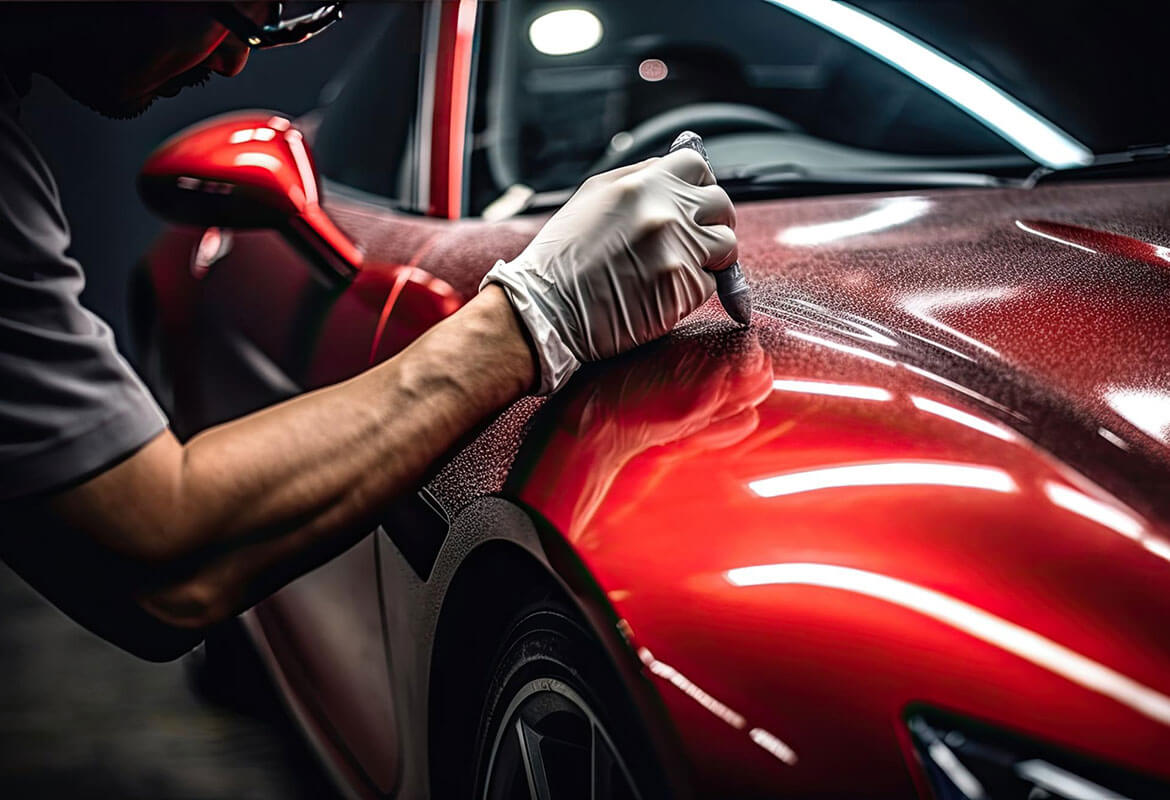
The effectiveness of PPF depends heavily on correct installation. Professional application ensures proper surface preparation, precise cutting, clean edge finishing, and bubble-free results. Skilled technicians also ensure that the film adheres correctly, maximizing durability and visual clarity.
A poorly installed film can reduce performance and aesthetics, making expert installation essential.
Is Paint Protection Film Worth the Investment?
Considering the cost of repainting, touch-ups, and loss of resale value due to paint damage, PPF proves to be a smart long-term investment. It protects one of the most valuable aspects of your car—its original paint—while maintaining showroom-like appeal.
Final Thoughts
Paint Protection Film represents the perfect blend of engineering, technology, and practical automotive care. Designed to handle real-world challenges, PPF offers unmatched protection, durability, and visual clarity. For car owners who value quality, performance, and long-term savings, PPF stands out as the ultimate solution for preserving automotive paintwork.
By investing in professional PPF installation, you ensure that your vehicle remains protected, stylish, and road-ready for years to come.
FAQ’S
What is Paint Protection Film (PPF) and how does it work?
Paint Protection Film (PPF) is a transparent polyurethane film applied on a car’s painted surfaces. It works as a protective barrier that absorbs minor impacts, prevents scratches, stone chips, UV damage, and keeps the original paint safe for years.
Is Paint Protection Film better than ceramic coating?
PPF and ceramic coating serve different purposes. PPF offers physical protection against scratches and stone chips, while ceramic coating enhances gloss and water repellency. For maximum protection and shine, many car owners choose PPF with ceramic coating on top.
How long does Paint Protection Film last?
High-quality Paint Protection Film can last anywhere between 5 to 10 years, depending on the film quality, installation process, and maintenance. Professional installation ensures longer durability and better performance.
Does PPF affect the original look or color of the car?
No, PPF is optically clear and does not change the car’s color or appearance. In fact, it enhances gloss and preserves the factory-original paint finish while remaining almost invisible.
Is Paint Protection Film worth the investment?
Yes, PPF is a smart long-term investment. It protects your car’s paint from damage, reduces repainting costs, maintains resale value, and keeps the vehicle looking new even after years of use.